Elevator cab change order management

Control the commercial decision before releasing the work.

Elevator cab change order management is the controlled process of recording a scope request, checking its drawing and cost effects, issuing a priced proposal, obtaining written approval from an authorized person, and releasing the corresponding revision. It keeps changed work separate from the original contract while preserving one traceable commercial and engineering record.

Published

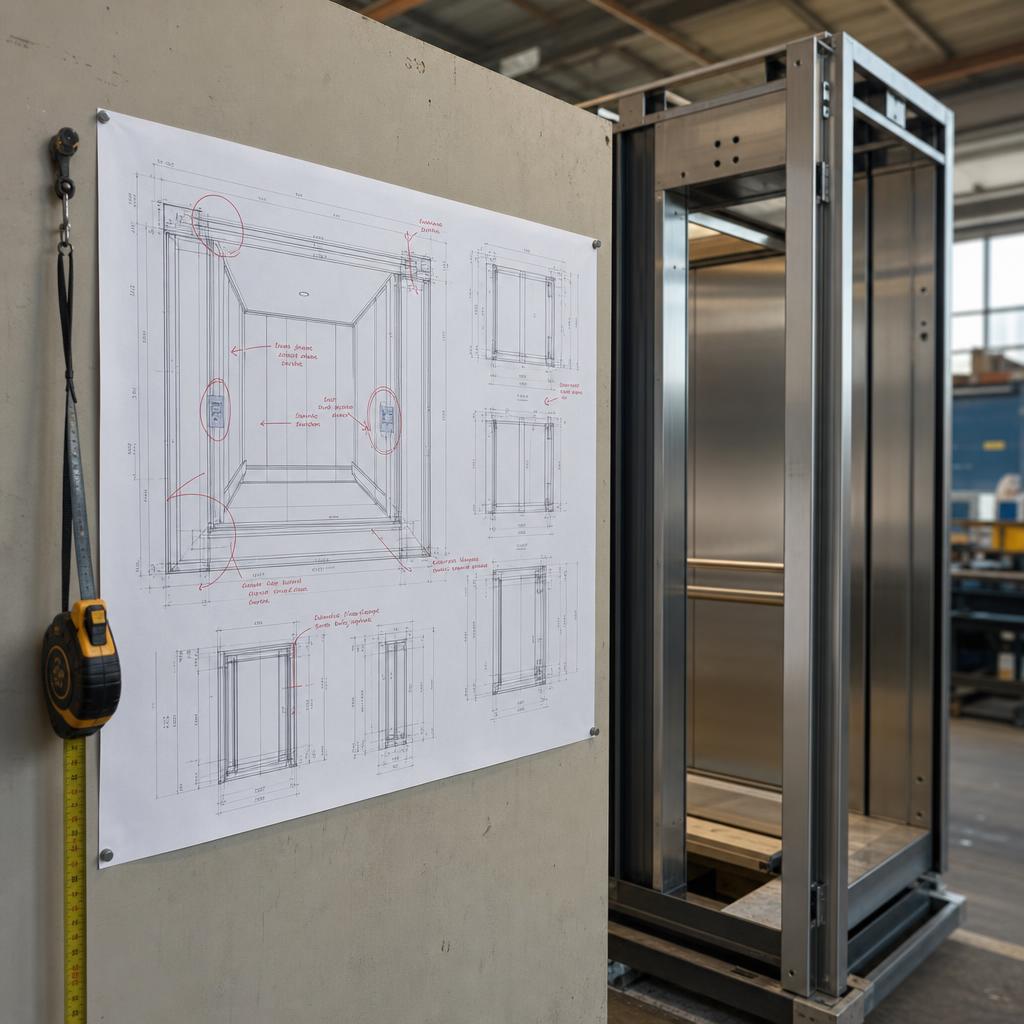
A marked-up cab shop drawing pinned beside a partly built panel

What counts as a change rather than a clarification?

A clarification explains an obligation already contained in the contract documents. It may identify where a detail applies, resolve wording that has only one reasonable interpretation, or restate an accepted requirement. It does not alter the promised product, allocation of risk, price, or time. A change modifies an obligation: dimensions, material, finish, quantity, interfaces, performance, access, packaging, sequence, delivery condition, or required date.

The email label does not decide the issue. A “clarification” that substitutes a finish, moves a return, changes fastening, or demands an earlier release is a potential change. Test it against the signed scope, exclusions, approved submittal, survey, and governing drawing. Ask whether compliance requires different labor, material, vendor work, engineering, risk, or timing.

Do not force every question into a change order. Log the question, cite the contract basis, and close it as a clarification when no obligation moves. If facts remain disputed, hold it as a pending request.
Who may raise a change, and who may approve it?

Anyone close to the work may identify a conflict: the owner, consultant, contractor, field representative, surveyor, engineer, buyer, vendor, or fabricator. Raising a request is not approval. Separate reporting a condition from authority to commit scope, money, or time.

Responsibilities that should remain distinct during an elevator cab change.
RoleMay doMust not be assumed to do
RequesterDescribe the desired result and business reason; provide marked documents.Commit either party merely by asking for the change.
Project managerLog, coordinate, route, and communicate status under delegated authority.Approve unbudgeted cost or contract time without named authority.
EngineeringDefine technical impact, affected drawings, interfaces, and release conditions.Accept commercial terms because a design is technically workable.
Estimator or buyerBuild the cost basis and verify quotes, commitments, and cancellation exposure.Release changed fabrication from an unapproved proposal.
Authorized approverAccept the defined scope, price, schedule effect, and effective date.Approve materially different terms from those engineering and estimating reviewed.

Set authority before the first request. The contract and responsibility matrix should identify whose signature binds each organization, approval limits, and permitted electronic acceptance. When authority is uncertain, ask for confirmation rather than treating job title or urgency as authorization.

What sequence takes a request to a released revision?

  1. 1

    Record the request

    Capture the exact request, requester, date, source document, reason, and affected cab, entrance, finish, component, or interface. Give it a unique identifier. Do not edit the original estimate or released drawing to make the request appear as though it was always included.

  2. 2

    Assess scope and impact

    Compare the request with the contract, approved submittal, estimate, survey record, and current drawing revision. Engineering identifies technical effects; estimating checks labor, material, vendors, freight, and risk; operations identifies committed work and schedule consequences.

  3. 3

    Issue a priced proposal

    State what will change, what will not, the drawing basis, price, cost basis, schedule effect, assumptions, validity, and required response date. Mark it proposed rather than approved. If information is incomplete, list the unresolved assumptions instead of hiding them inside a lump sum.

  4. 4

    Obtain written approval

    Confirm that the signer has authority under the contract or responsibility matrix. Approval must cover the same scope, price, drawing basis, and schedule effect that were proposed. A purchase instruction, email, or signed form only works if the contract recognizes it and its terms are unambiguous.

  5. 5

    Release the revision

    After approval, update the drawing and approved estimate through controlled revisions. Withdraw superseded shop instructions, notify every affected owner, and release the changed work from one governing revision. Preserve the request, proposal, approval, and release as one linked history.

Status names should describe evidence, not optimism: requested, under review, proposal issued, approved, rejected, withdrawn, and released. “Proceeding” is too vague. The elevator submittal approval process establishes design acceptance, while the change process establishes permission to alter the contract basis.

What must a change order state to support enforcement?

A usable change order identifies the contract and states scope in language that can be checked at release and inspection. Include exclusions and assumptions. Cite the governing drawing number, revision, and date. State whether price is an addition, deduction, or no-cost change and whether its basis is fixed, unit-based, time-and-material, or quoted.

State the schedule effect, including no change. Name dependencies such as an approval deadline, material availability, or access. Identify the approver and authority. Include the effective date, proposal validity, relevant tax and freight treatment, and whether affected work is stopped or may proceed.

Enforceability depends on contract terms, jurisdiction, facts, and conduct. Use the notice method, approval form, timing, and authority specified by the contract, and obtain qualified legal advice for disputed or material changes.

Why do verbal approvals fail when the work reaches the shop?

A verbal instruction rarely captures the bargain. People remember different limits, the speaker may lack authority, and a design discussion may not accept price or delay. Later, the conversation is separated from the marked drawing, cost build-up, and conditions that gave it meaning.

Return a written record to the speaker with scope, drawing, price, schedule effect, assumptions, and hold status. Obtain acceptance through the contract's method. For emergency work, use its written directive or time-and-material procedure, keep daily records, and reserve unresolved commercial terms.

Why does the timing of discovery change the cost mechanism?

Change cost grows through commitments and conversion, not through an arbitrary late-change multiplier. Before an order is placed, the team may only need revised engineering and estimating. Once material is committed, and again once fabrication starts, different recovery work is added.

How the same scope change creates different work as commitments advance.
Point of discoveryCost mechanismEvidence to collect
Before material orderEngineering revision, estimating effort, and possible quote refresh or lead-time review.Review time, revised takeoff, vendor quotation, and drawing markups.
After material orderCancellation or restocking terms, unusable material, replacement order, freight, and changed vendor promise.Order acknowledgment, cancellation response, return terms, replacement quote, and delivery effect.
After fabrication startsStop and segregate work, scrap or rework parts, revise programs and instructions, repeat setup and inspection, then resequence remaining work.Traveler status, consumed material, labor records, nonconformance disposition, revised routing, and inspection records.

Price the actual mechanism. Identify committed material by order line and revision, completed operations, reusable stock, job-specific scrap, and sequencing effects. That record gives the approver a basis to proceed, revise, or withdraw.

How should change orders interact with drawings and the approved estimate?

The change order, drawing revision, and estimate revision answer different questions. The change order records commercial authorization. The drawing shows the resulting build requirement. The estimate shows the priced labor, material, vendor, and other cost basis. Link all three by identifier and revision; never overwrite their original approved states.

Engineering may prepare a proposed drawing for review, but it should not look like a fabrication release. After written approval, issue the released revision and mark the prior revision superseded. Identify affected work and recipients rather than relying on people to notice a new attachment. See elevator cab shop drawing revision control for the release and withdrawal discipline.

Build It Track It provides engineering drawing revisions, change orders, and a Final for Record lock today. Its estimating uses a rate library, vendors, and person-entered BOM lines, so the approved estimate can remain distinct from later change pricing. It does not parse DXF or DWG files, generate a BOM automatically from CAD, or integrate with external CAD or ERP systems.

How do you maintain a running record against the original contract value?

Keep the original contract value immutable. Use one register row per request with identifier, description, requester, date, status, proposed and approved additions or deductions, approval date, approver, drawing revision, and schedule effect. Calculate current authorized value from approved changes only.

Keep pending exposure beside, not inside, the authorized total. A forecast may include likely changes for planning, but it is not earned contract value. Rejected and withdrawn items remain in the register with zero approved value so sequence and decisions are not erased. Separate disputed work as its own status rather than quietly treating it as approved or closed.

Reconcile the register to signed records at each commercial review. The sum of approved additions and deductions must trace to individual approvals, and each approval must trace to the released revision. Share the current authorized value and pending exposure with the same cutoff date. The broader elevator cab project management software page explains how this record sits within the job lifecycle.

What do practitioners ask about elevator cab change orders?

What counts as a change order on an elevator cab project?

A change order is required when a request alters contracted scope, price, schedule, product, or another obligation. A clarification only explains an existing requirement. If cost, time, risk, or the released drawing changes, review the request as a potential change.

Who can request an elevator cab change?

A customer, consultant, contractor, field representative, engineer, buyer, or fabricator may raise a request. That does not authorize it. The contract should name who may approve scope, cost, schedule, and drawing revisions.

What must an enforceable change order include?

Identify the contract, scope, exclusions, drawing revision, cost basis, schedule effect, approval authority, effective date, affected instructions, and whether work may proceed. Because terms and law vary, project-specific enforceability needs qualified legal review.

Can a verbal approval authorize fabrication?

A verbal instruction leaves scope, price, schedule, and authority open to dispute. Record it, issue a written proposal, and obtain authorized approval before releasing the revised drawing or work, unless the contract defines an emergency procedure.

How should a change order connect to drawing revisions?

The approved change order should cite the drawing revision, and that revision should cite its authorizing change order. The drawing defines build intent; the change order defines the commercial and schedule agreement.

How do you track change orders against the original contract value?

Keep the original contract value fixed. Track approved changes, pending proposals, rejected or withdrawn requests, and current authorized value separately. Reconcile each approved amount to a signed change order.

Why does a late elevator cab change cost more?

A late change acts on commitments. An order can create cancellation terms, unusable stock, replacement freight, and delay. Started fabrication can also require stopping work, segregating parts, rework, scrap, repeated inspection, and resequencing.

Ready to keep approved changes tied to the released record?

Request a walkthrough of Build It Track It's estimating, change-order, drawing revision, and Final for Record controls available today.

Request a demo